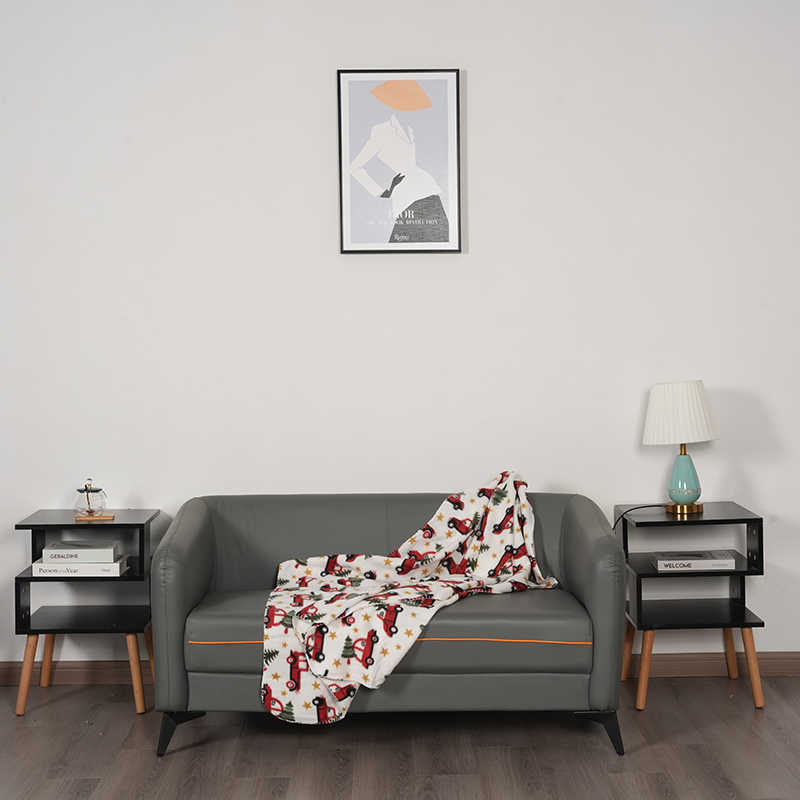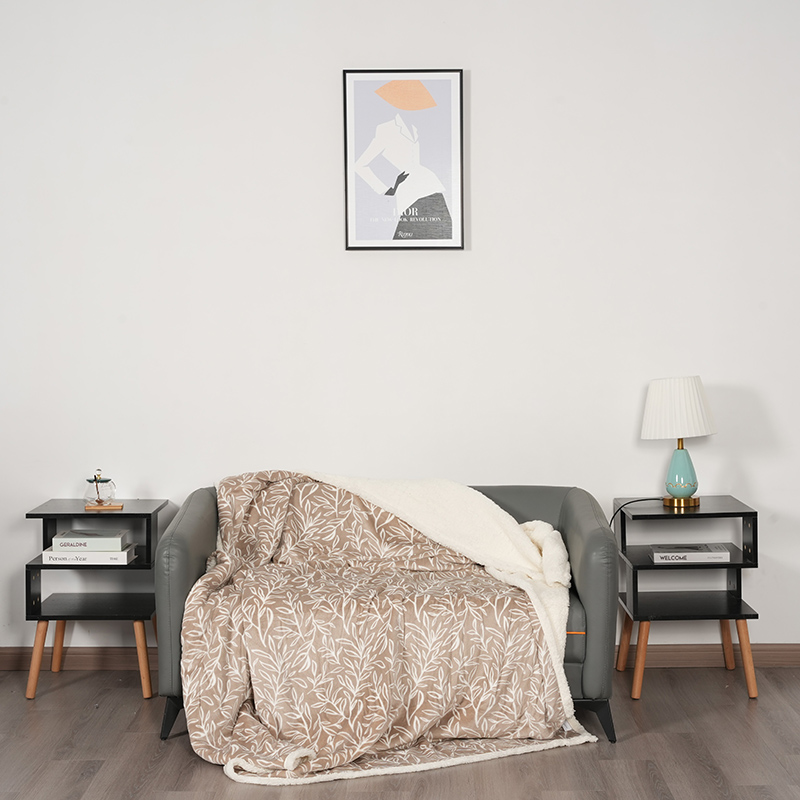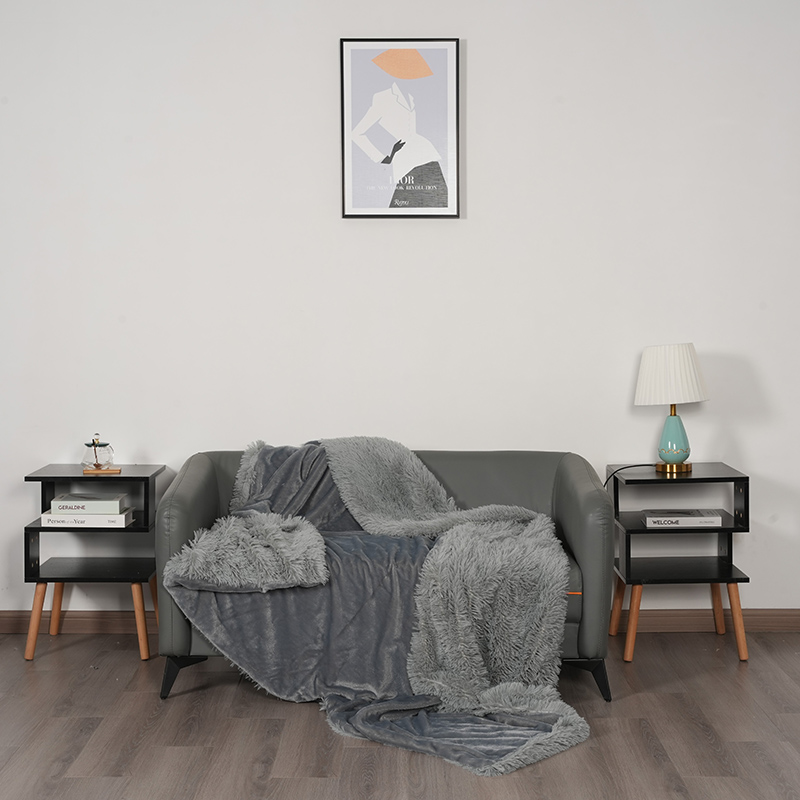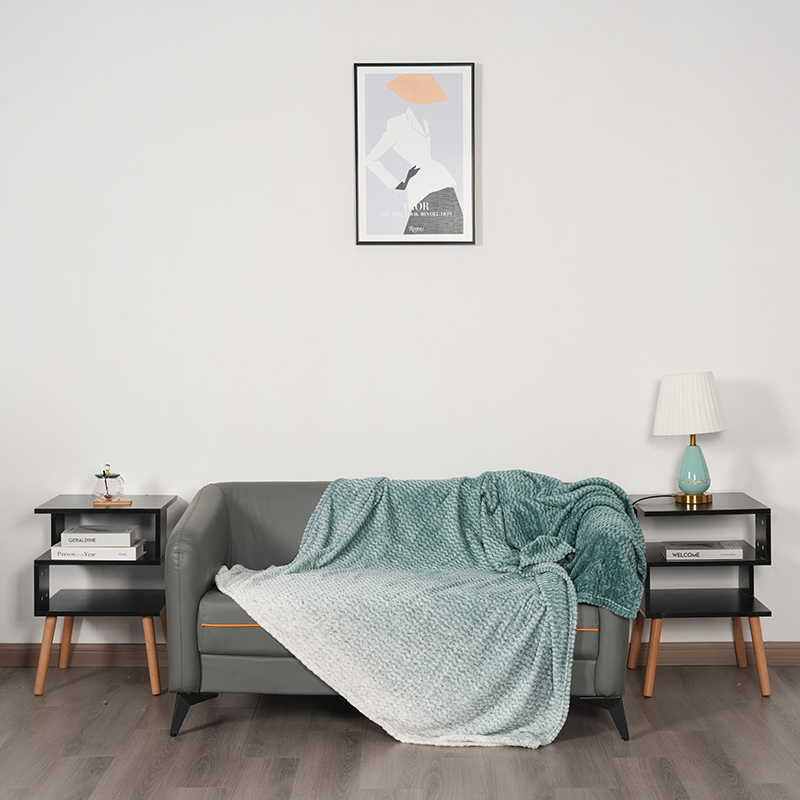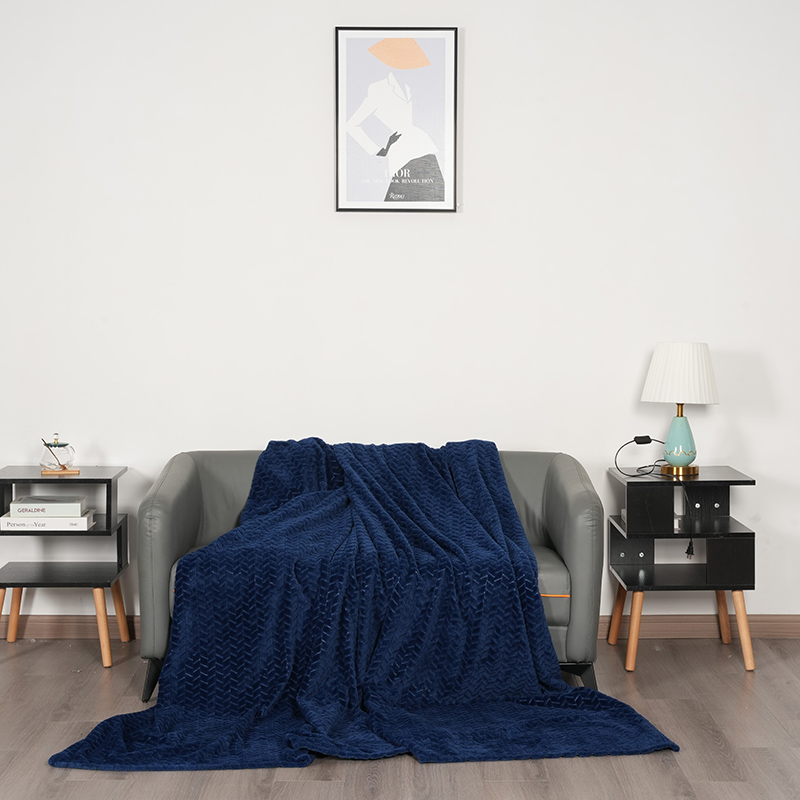


Jesteśmy krajowym przedsiębiorstwem high-tech. Obecnie istnieje wiele rodzajów tkanin tkanych samodzielnie i wspólnie przetwarzanych, w tym ściereczki ręcznikowe z mikrofibry osnowy, ręczniki z dzianiny wątkowej, polaru koralowego itp.
The Right Throw Pillow Comes Down to Three Factors: Size, Fabric, and Style
Choosing the right throw pillow starts with matching its size to your furniture, selecting a fabric suited to your household's daily use, and coordinating its style with your room's existing decor. Interior designers commonly recommend an 18-inch to 22-inch square pillow for standard sofas , while accent chairs typically pair better with smaller 16-inch to 18-inch options. Getting these proportions right prevents the common mistake of pillows that look either too small and scattered or too large and overwhelming.
Beyond dimensions, fabric choice affects durability, comfort, and maintenance, while style ties the pillow into your broader design scheme.
Finding the Right Pillow Size for Your Furniture
Pillow size is often the most overlooked factor, yet it has the biggest visual impact on how a seating area feels. A pillow that's too small can look lost on a large sofa, while an oversized pillow can crowd a compact chair.
Standard Size Guidelines by Furniture Type
| Furniture Type | Recommended Pillow Size | Typical Quantity |
|---|---|---|
| Large Sofa (3-seat) | 20-22 inches | 4-5 pillows |
| Loveseat | 18-20 inches | 2-3 pillows |
| Accent Chair | 16-18 inches | 1-2 pillows |
| Bed (as accent) | 18-24 inches | 2-4 pillows |
Mixing Sizes for Visual Depth
Rather than using identical pillow sizes throughout, designers often recommend layering: placing larger pillows (20-22 inches) toward the back corners and smaller pillows (14-18 inches) in front , creating a stepped visual arrangement that adds dimension and feels intentionally styled rather than uniform.
Choosing Fabric Based on Household Needs
Fabric selection affects everything from how a pillow feels to how well it holds up against pets, kids, and daily wear. Matching fabric to your lifestyle prevents frustration down the road.
Durable Fabrics for High-Traffic Households
Performance fabrics such as polyester blends, olefin, and treated cotton canvas resist stains and are easier to clean, making them well-suited for homes with children or pets. Many performance fabrics now carry stain-resistance ratings that allow spills to be wiped away with water alone , avoiding the need for professional cleaning.
Luxurious Fabrics for Low-Traffic Spaces
Velvet, silk, and linen offer a richer look and softer texture, making them ideal for formal living rooms, bedrooms, or spaces with minimal daily wear. Velvet in particular adds visual depth through its light-reflecting texture, though it requires more careful spot-cleaning than performance fabrics.
Seasonal Fabric Considerations
Many homeowners rotate pillow covers seasonally—lightweight linen or cotton in spring and summer, and heavier textures like velvet, wool, or faux fur in fall and winter—to refresh a room's feel without replacing furniture.
Matching Style to Your Existing Decor
Once size and fabric are settled, style ties everything together. The goal is coordination, not exact matching—pillows should complement your room rather than compete with it.
The 60-30-10 Color Rule
A widely used design principle suggests allocating 60% of a room's color to a dominant tone, 30% to a secondary color, and 10% to an accent color —throw pillows are one of the easiest ways to introduce that 10% accent without committing to a full furniture or wall color change.
Pattern and Texture Pairing
When mixing patterns, designers often recommend combining no more than three pattern types—one large-scale print, one small-scale print, and one solid or textured pillow—to keep the arrangement cohesive rather than chaotic.
Common Style Pairings
- Modern/minimalist: Solid colors, geometric prints, and clean lines in neutral or monochrome palettes.
- Bohemian: Mixed textures, tassels, embroidery, and warm earthy tones layered together.
- Coastal: Light linen fabrics, blue and white palettes, and subtle nautical motifs.
- Traditional: Damask, florals, and rich jewel tones with tailored piping details.
- Farmhouse: Natural cotton and linen textures, muted colors, and simple stripe or plaid patterns.
Pillow Insert Quality and Fill Types
The insert inside a throw pillow significantly affects both comfort and how well the pillow holds its shape over time, yet it's often overlooked in favor of the outer cover.
Feather and Down Inserts
Feather and down-filled inserts offer a soft, moldable feel and tend to retain their plumpness longer than synthetic alternatives. A feather-down blend typically consisting of 10% down and 90% feather provides a good balance of softness and support at a more accessible price point than pure down.
Polyester Fiberfill Inserts
Polyester fiberfill is hypoallergenic, budget-friendly, and low-maintenance, making it a practical choice for households with allergy concerns. It tends to hold a firmer, more structured shape than down but may flatten faster with heavy daily use.
Choosing an Insert Slightly Larger Than the Cover
A common styling tip is to select an insert one to two inches larger than the pillow cover—for example, a 20-inch insert in an 18-inch cover—which creates a fuller, more plush appearance rather than a flat, deflated look.
Practical Arrangement Tips for a Polished Look
Once you've selected the right pillows, how you arrange them makes a noticeable difference in the finished appearance of your space.
Arrangement Guidelines
- Use an odd number of pillows (3 or 5) for a more natural, balanced look rather than perfectly symmetrical even numbers.
- Place larger pillows in the back corners and layer smaller accent pillows toward the front.
- Fluff and "karate chop" the center of each pillow to create a soft dent that adds visual texture.
- Angle square pillows slightly on point (diamond orientation) occasionally to break up uniform rows.
- Leave enough open cushion space for people to actually sit comfortably—avoid overcrowding the sofa.
Key Takeaways for Choosing Throw Pillows
Selecting the right throw pillow comes down to balancing proportion, practicality, and personal style. Matching pillow size to your furniture, choosing fabric suited to your household's daily use, and coordinating color and pattern with your existing decor will create a cohesive, comfortable, and visually appealing space. With a thoughtful mix of sizes, textures, and an insert that holds its shape, throw pillows become one of the most affordable and effective ways to refresh any room.